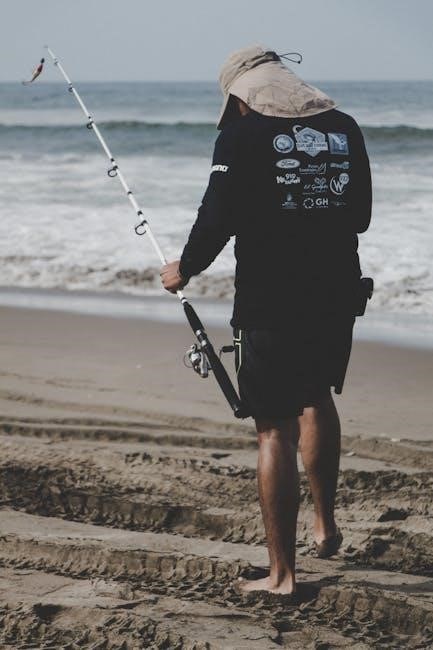
surf fishing guide
Surf Fishing: The Ultimate Guide
Surf fishing offers adaptable opportunities across oceans, targeting diverse species like striped bass, bluefish, and pompano, making each trip unique and exciting for all anglers․
Surf fishing represents an incredibly accessible and rewarding angling pursuit, allowing enthusiasts to cast from nearly any ocean shoreline with the appropriate gear․ Its inherent adaptability is a key draw; depending on the season and geographical location, anglers can target a remarkable variety of species, from the powerful striped bass and aggressive bluefish to the delectable pompano․ This dynamic nature ensures that no two surf fishing experiences are ever quite the same, offering a continuous sense of discovery․
Each coastal region presents unique opportunities, characterized by varying wave patterns and bottom compositions – sandy stretches, rocky outcrops, and everything in between․ This guide aims to equip both novice and experienced anglers with the knowledge and tools needed to maximize their success and enjoyment on the surf․ Prepare for an adventure!
Why Surf Fishing is Popular
Surf fishing’s widespread appeal stems from its inherent accessibility and the thrilling challenge it presents․ Unlike boat fishing, it requires minimal investment in expensive equipment or specialized vessels, opening the sport to a broader audience․ The ability to fish from almost any coastline, combined with the diverse range of target species, contributes to its enduring popularity․
Furthermore, surf fishing offers a unique connection with the natural environment․ Anglers are immersed in the sights and sounds of the ocean, experiencing the raw power of the waves and the beauty of the shoreline․ The element of unpredictability – constantly changing tides, weather patterns, and fish behavior – adds an exciting layer of complexity․ It’s a truly immersive and rewarding experience, fostering a deep appreciation for the marine ecosystem․
Best Times for Surf Fishing
Determining the optimal time for surf fishing significantly boosts your chances of success․ Generally, dawn and dusk are considered prime fishing hours, as many species are most active during these periods of lower light․ Light east winds are also beneficial, bringing fish closer to shore and creating favorable feeding conditions․ Observing tidal patterns is crucial; often, the hour before and after high or low tide presents excellent opportunities․
Seasonal variations also play a key role․ Spring and fall migrations often concentrate fish along the coast, offering abundant catches․ Understanding local fish behavior and spawning cycles will further refine your timing․ Checking local fishing reports and weather forecasts before heading out is always recommended, ensuring you’re prepared for the conditions and maximizing your time on the beach․
Tidal Considerations
Tides are arguably the most influential factor in surf fishing success․ Understanding how tides impact fish behavior is paramount․ Generally, the hour before and after high or low tide often presents the best fishing opportunities, as these periods trigger increased fish activity and feeding․ Moving tides create currents that bring baitfish closer to shore, attracting predatory species․
Specifically, an incoming tide often stirs up the seabed, releasing crustaceans and other food sources, while an outgoing tide can concentrate baitfish as they are swept towards deeper waters․ Learning to read tidal charts and predict current flow is a valuable skill․ Consider the tidal range; larger tidal ranges typically mean stronger currents and more significant fish movement․ Local knowledge regarding specific beach structures and how they interact with tides is also incredibly beneficial․
Weather Conditions for Success
Optimal weather for surf fishing isn’t about perfect sunshine; it’s about conditions that encourage fish activity․ Light east winds are often favored, as they bring fish closer to shore and create a gentle chop on the water’s surface․ Overcast skies can also be advantageous, providing diffused light and reducing glare, making it easier for fish to feel secure․
Avoid fishing during or immediately after severe storms, as turbulent waters and debris can make conditions dangerous and disrupt fish patterns․ However, the day after a storm can be productive, as the stirred-up sediment can attract baitfish and predators․ Pay attention to barometric pressure; a stable or rising barometer generally indicates good fishing conditions, while a falling barometer often signals approaching inclement weather and reduced activity․

Essential Surf Fishing Gear
Surf fishing demands specific tools: robust rods, reliable reels, durable lines, and versatile terminal tackle—hooks, swivels, and weights—for successful casting and catching․
Rod Selection for Surf Fishing
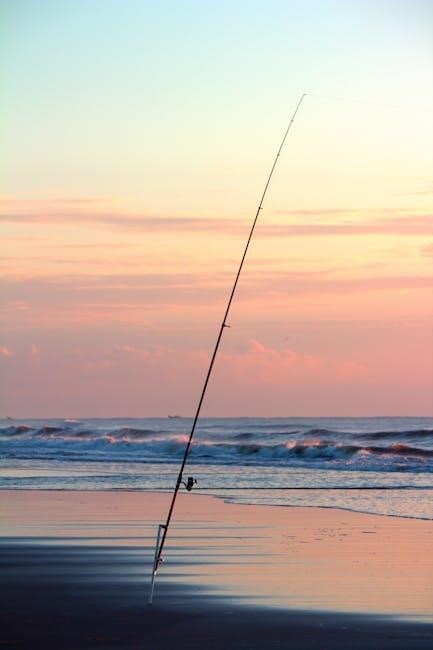
Choosing the right rod is paramount for successful surf fishing․ Consider length, power, and action․ Longer rods, typically 9 to 15 feet, excel at distance casting, crucial for reaching fish beyond the breakers․ Rod power dictates the weight of lures and bait you can effectively cast; medium-heavy to heavy power rods are versatile for most surf scenarios․
Action refers to where the rod bends․ Fast-action rods bend primarily at the tip, offering sensitivity and quick hooksets, ideal for lures․ Slower-action rods bend more along the shaft, providing more cushioning for fighting larger fish and absorbing shock․ Graphite rods are lightweight and sensitive, while fiberglass rods are more durable and forgiving․ Composite rods blend both materials for a balance of characteristics․
Sand spikes, often 5ft lengths of PVC sunk into the wet sand, are invaluable for rod placement․ Ultimately, the best rod depends on your target species, typical fishing conditions, and personal preference․
Reel Types for Surf Fishing
Selecting the appropriate reel complements your rod and significantly impacts your surf fishing experience․ Spinning reels are popular for their ease of use and affordability, making them excellent for beginners․ They’re well-suited for lighter lines and lures, ideal for smaller species like pompano․ However, they may lack the raw power for battling larger fish at distance․
Conventional reels, also known as baitcasting reels, offer superior line capacity and power, essential for targeting striped bass and bluefish․ They require more practice to master casting but provide greater control and the ability to handle heavier weights and stronger currents․ Electric reels are gaining traction, particularly for deep-water surf fishing, automating retrieval and reducing angler fatigue․
Gear ratios influence retrieval speed; lower ratios provide more power, while higher ratios allow for faster retrieves; Consider saltwater-specific reels built with corrosion-resistant materials for longevity․
Line and Leader Choices
Selecting the right line and leader is crucial for successful surf fishing, impacting cast distance, abrasion resistance, and fish landing․ Monofilament line is a versatile and affordable option, offering good knot strength and stretch․ Braided line, though more expensive, provides exceptional strength for its diameter, increasing casting distance and sensitivity․
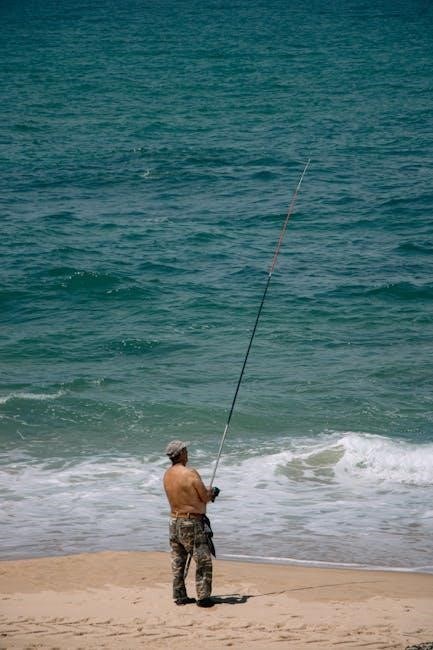
Fluorocarbon line is nearly invisible underwater, making it ideal for leader material, especially in clear water conditions․ A leader protects your main line from abrasion against rocks, shells, and the fish’s teeth․ Leader length varies depending on the structure and target species; 2-4 feet is a common starting point․
Line weight should match your target species and the weight of your lures or bait․ Consider using shock leaders for heavier lures to absorb the impact of casting․
Terminal Tackle: Hooks, Swivels, and Weights
Terminal tackle connects your line to the bait or lure, and proper selection is vital․ Hooks come in various sizes and styles; circle hooks are excellent for catch-and-release, while J-hooks offer reliable setting power․ Match hook size to your bait and target species – larger fish require larger hooks․
Swivels prevent line twist, especially when using lures that spin․ Barrel swivels are common, while snap swivels allow for quick lure changes․ Consider using ball-bearing swivels for smoother rotation․
Weights provide casting distance and keep your bait in the strike zone․ Pyramid weights are ideal for sandy bottoms, while bank sinkers work well on rocky terrain․ Weight selection depends on current and surf conditions; heavier weights are needed in stronger currents․

Bait and Lures for Surf Fishing
Surf fishing utilizes both natural baits like shrimp, worms, and clams, alongside artificial lures such as spoons, plugs, and versatile soft plastics for diverse catches․
Natural Baits: Shrimp, Worms, and Clams
Natural baits consistently prove effective in surf fishing, appealing to a wide range of species․ Shrimp, particularly ghost shrimp pumped directly from the wet sand, are a highly prized offering, especially for pompano and smaller fish․ Their scent and natural presentation are irresistible․ Worms, readily available and easy to use, work well for various species, including striped bass and bluefish, offering a versatile option for different conditions․
Clams, whether chopped or used whole, are another excellent choice, releasing strong scent trails that attract fish from a distance․ They are particularly effective for targeting bottom feeders․ Utilizing a clam gun or simply digging them up at low tide provides a fresh, natural bait source․ Remember to check local regulations regarding bait collection․ The key to success with natural baits lies in keeping them fresh and presenting them effectively on your hook, ensuring a tempting offering for hungry fish in the surf zone․
Artificial Lures: Spoons, Plugs, and Soft Plastics
Artificial lures offer dynamic presentation and cover more ground, ideal for locating active fish in the surf․ Spoons, with their wobbling action and flash, effectively mimic fleeing baitfish, attracting predators like bluefish and striped bass․ Varying retrieve speeds and adding pauses can trigger strikes․ Plugs, available in numerous sizes and diving depths, allow you to target different areas of the water column, mimicking larger prey․
Soft plastics, incredibly versatile, can be rigged in countless ways to imitate various food sources․ From paddle tails to swimbaits, they offer realistic action and enticing scents․ Experimenting with colors and retrieves is crucial․ Casting and slowly winding your rig back in is a great way to locate fish․ Remember to match the lure size and action to the prevalent baitfish in the area for optimal results, enhancing your chances of a successful catch․
Surf Fishing Techniques
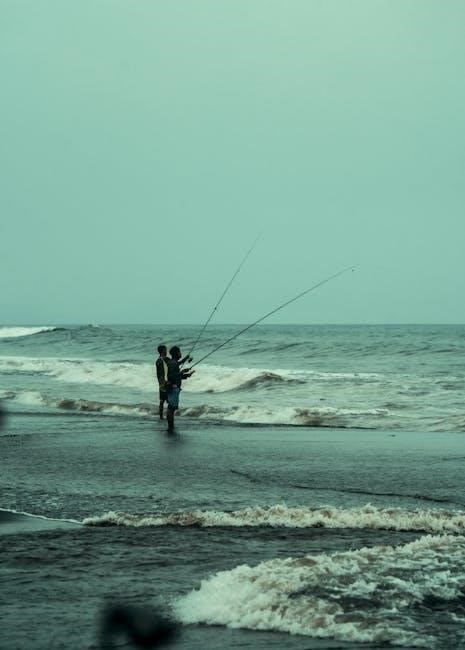
Effective techniques involve long-distance casting, carefully reading the beach for fish-holding areas, and understanding surf structure to maximize your chances of landing a catch․
Casting Techniques for Distance
Achieving substantial casting distance is paramount in surf fishing, allowing you to reach fish beyond the breaking waves․ Several techniques can significantly improve your range․ The pendulum cast, favored by experienced anglers, utilizes a swinging motion to generate power, effectively launching the bait further․ Another effective method is the overhead cast, a more traditional approach requiring good timing and technique․
Regardless of the cast chosen, proper form is crucial․ A smooth, fluid motion, combined with a controlled release, will maximize distance․ Utilizing the weight of the lure or sinker, and employing a sweeping arc with the rod, contributes to increased casting power․ Remember to consider wind conditions; casting into the wind requires more force, while casting with the wind can aid distance․ Practice these techniques to refine your skills and consistently reach those distant honey holes where larger fish reside․
Reading the Beach: Identifying Fish Holding Areas
Successfully locating fish requires understanding beach dynamics․ Look for areas where currents converge, creating nutrient-rich upwellings that attract baitfish – and subsequently, predatory species․ Identifying cuts, troughs, and sandbars is vital․ Cuts are channels carved by receding tides, offering deeper water and refuge for fish․ Troughs, depressions running parallel to the shore, often hold bait and game fish․
Sandbars, submerged ridges of sand, can create breaking waves and provide ambush points for predators․ Observe wave patterns; irregular waves often indicate underwater structures․ Also, pay attention to bird activity – diving birds signal the presence of baitfish․ Areas with dynamic waves and a mix of sandy and rocky bottom are particularly promising․ Learning to “read” the beach transforms you from a hopeful caster into a strategic angler, dramatically increasing your chances of success․
Understanding Surf Structure
Surf structure profoundly influences fish behavior․ Identifying these features is key to consistent success․ Jetties and groins, man-made structures, create current breaks and provide shelter, attracting fish seeking refuge or ambush points․ Natural structures like reefs, rock piles, and submerged timber offer similar advantages․ These areas concentrate baitfish, drawing in larger predators․
Look for irregularities in the shoreline – points of land extending into the surf, or indentations creating pockets of calmer water․ These features disrupt current flow, creating feeding lanes․ Understanding how tides interact with these structures is crucial; rising tides often push fish onto structures, while falling tides pull them off․ Observing wave action reveals hidden contours; breaking waves indicate shallow areas or obstructions․ Mastering surf structure recognition elevates your fishing from chance encounters to informed targeting․
Target Species
Surf fishing commonly yields striped bass, bluefish, and pompano, though regional variations exist; successful anglers adapt techniques based on prevalent species and seasonal patterns․
Striped Bass Surf Fishing
Striped bass are a prized catch for surf anglers, known for their aggressive strikes and fighting spirit․ Targeting these fish often involves focusing on inlets, points, and areas with significant structure where bass ambush prey․ Effective techniques include casting large swimbaits, bucktails, or live eels during periods of strong tidal flow․
Understanding seasonal migrations is crucial; striped bass move along the coastline, following baitfish schools․ Fall often presents exceptional opportunities as bass fatten up before winter․ Utilizing longer casts to reach deeper channels and employing shock leaders to combat abrasive structures are recommended․ Pay attention to water clarity and adjust lure color accordingly – darker colors work well in murky water, while brighter hues excel in clear conditions․ Persistence and adapting to changing conditions are key to consistent success when pursuing these iconic gamefish from the surf․
Bluefish Surf Fishing
Bluefish, often called “choppers” due to their toothy jaws, provide exhilarating surf fishing action․ These aggressive predators roam in schools, creating chaotic blitzes near the surface․ Successful anglers target these blitzes by casting metal lures like spoons or diamond jigs, retrieving them at a fast pace to mimic fleeing baitfish․
Wire leaders are essential when bluefishing, as their sharp teeth easily sever monofilament or fluorocarbon lines․ Look for areas where baitfish congregate, such as near reefs, inlets, or along drop-offs․ Early morning and late evening often yield the best results․ Be prepared for powerful runs and spirited fights – bluefish are known for their relentless energy․ Remember to handle them with care, as their teeth can inflict a painful bite․ Observing bird activity can also indicate the presence of a bluefish school․
Pompano Surf Fishing
Pompano, prized for their delicate flavor, are a favorite target for surf anglers․ These fish prefer sandy bottoms and feed on crustaceans like sand fleas and shrimp․ Successful pompano fishing often involves a “high-low” rig, featuring a Carolina rig with a longer leader․ This allows the bait to present naturally on the seafloor․
Fresh shrimp, sand fleas (if available), or clams are excellent bait choices․ Look for areas with gentle slopes and trough systems, where pompano often forage․ A moderate retrieve speed is generally effective․ Pompano possess a subtle bite, so sensitivity is key – use a rod with a sensitive tip and watch your line closely for any indication of a strike․ Be prepared to dig for sand fleas or purchase them from a local bait shop for optimal results․
Surf Fishing Safety
Prioritize beach safety, handle fish with care, and always respect the marine environment to ensure a responsible and enjoyable surf fishing experience for everyone involved․
Beach Safety Tips
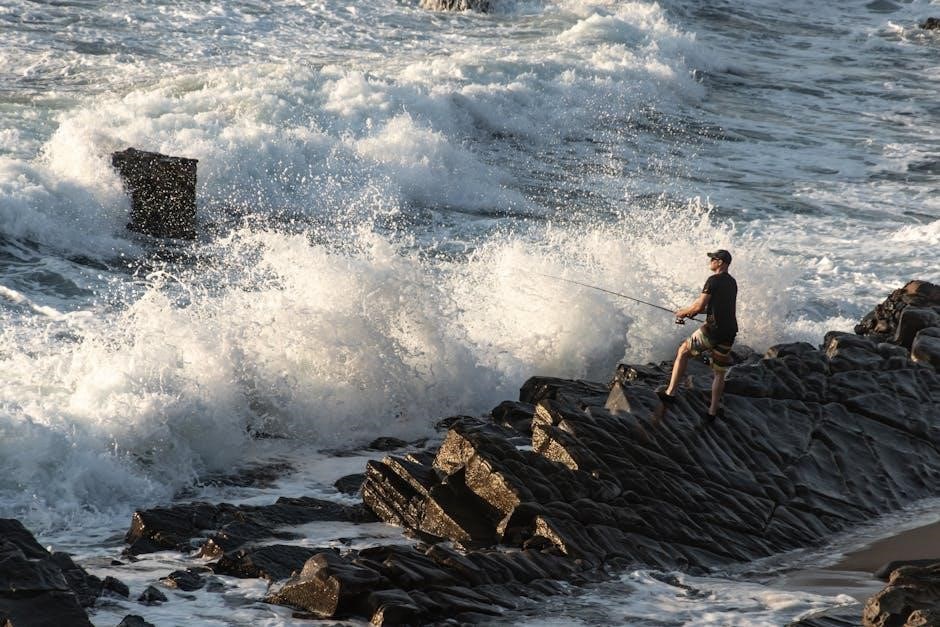
Always be aware of your surroundings while surf fishing․ This includes checking for rip currents, which are powerful channels of water flowing away from the shore, and understanding how to escape them – swim parallel to the beach․ Pay close attention to changing weather conditions; storms can develop rapidly, bringing lightning and strong winds․

Never fish alone, and inform someone of your location and expected return time․ Wear appropriate footwear to protect your feet from sharp objects and slippery rocks․ Be mindful of other beachgoers, ensuring your cast doesn’t endanger anyone․
Hydrate regularly, especially during warmer months, and protect yourself from the sun with sunscreen, a hat, and sunglasses․ Be cautious of wildlife, maintaining a safe distance from any animals you encounter․ Finally, familiarize yourself with local beach regulations and heed any posted warnings or closures․
Handling Fish Safely
Prioritize the well-being of the fish you catch․ Wet your hands before handling to protect their protective slime coat, crucial for preventing infection․ Use a de-hooking tool to carefully remove the hook, minimizing injury․ Avoid touching the gills, as this can impair their ability to breathe․
If you intend to release the fish, do so quickly and gently, supporting its body horizontally․ Avoid dropping or throwing the fish back into the water․ For fish you plan to keep, dispatch them humanely and promptly․
Be mindful of sharp fins and teeth; some species can inflict painful wounds․ Carry a pair of pliers or hemostats for safe hook removal․ Always practice responsible catch and release techniques to ensure the sustainability of fish populations․ Proper handling ensures both your safety and the fish’s survival․
Respecting the Environment
Preserving the coastal ecosystem is paramount for sustainable surf fishing․ Always pack out all trash, including fishing line, hooks, and bait containers – discarded line poses a significant threat to wildlife․ Avoid disturbing dune vegetation, as it plays a vital role in preventing erosion and providing habitat․
Be mindful of nesting shorebirds and their chicks; maintain a safe distance and avoid approaching nesting areas․ Practice responsible bait disposal, avoiding leaving scraps that can attract unwanted scavengers․ Minimize your impact on the beach by using designated access points and avoiding driving on dunes․
Support local conservation efforts and adhere to all fishing regulations․ By respecting the environment, we ensure that future generations can enjoy the benefits of healthy coastal ecosystems and thriving fisheries․