
optavia restaurant guide
Optavia Restaurant Guide: Navigating Dining Out on the Program (Updated February 3, 2026)
Dining out while on Optavia presents unique challenges, requiring careful planning and mindful choices to stay on track with weight loss goals and maintain progress.

Understanding the Optavia Program Basics
Optavia centers around a structured approach to weight management, primarily utilizing Fuelings – pre-packaged, portion-controlled meals. These Fuelings are designed to minimize decision fatigue and ensure consistent caloric intake. The program emphasizes a transition phase, moving from primarily Fuelings to incorporating “Lean & Green” meals, featuring lean protein and non-starchy vegetables.
Optimal Weight, the ultimate goal, is achieved through a combination of Fuelings, Lean & Greens, and mindful eating habits. It’s crucial to understand that Optavia, while effective for rapid weight loss, is often viewed as a short-term solution. Many users, like the Reddit poster, eventually transition to self-managed plans post-program, focusing on sustainable nutrition and fitness. The program’s MLM structure and coach pressure are frequently criticized, highlighting the importance of informed participation.
Fuelings, Transitions, and Optimal Weight
Fuelings form the foundation of the initial Optavia phases, providing roughly 800-1000 calories daily. These convenient meals simplify adherence, but reliance on processed foods is a common concern, as noted by a Reddit user experiencing fatigue and cognitive slowdown. The transition phase introduces Lean & Green meals, encouraging whole-food consumption alongside continued Fueling use.
Reaching Optimal Weight involves gradually increasing self-prepared meals while maintaining portion control and mindful eating. The Reddit poster’s experience highlights a desire to combine Fuelings with a keto-style diet, demonstrating a move towards personalized nutrition. Successful long-term maintenance requires transitioning away from heavy Fueling dependence and establishing sustainable habits, addressing the program’s limitations regarding long-term dietary education.
The Challenges of Restaurant Dining on Optavia
Restaurant meals pose significant hurdles for Optavia followers, primarily due to hidden ingredients, large portion sizes, and the prevalence of high-calorie sauces. Maintaining strict adherence to the program’s guidelines becomes difficult when dining out, as precise macronutrient tracking is often impossible. The Reddit user’s experience underscores the potential for social pressure and “food pushers” to derail progress.
Furthermore, the program’s emphasis on processed Fuelings contrasts sharply with typical restaurant fare, making it challenging to replicate the nutritional profile outside of home. Navigating complex menus and requesting modifications requires assertiveness and a thorough understanding of Optavia’s principles. Successfully overcoming these challenges demands proactive planning and a commitment to prioritizing program goals.
Pre-Dining Strategies for Success
Proactive preparation is crucial for successful restaurant dining on Optavia; menu research, clear communication with staff, and awareness of potential pitfalls are key.

Planning Ahead: Menu Research is Key
Before venturing out, thoroughly investigate the restaurant’s menu online. This allows for a pre-emptive strike against impulsive, non-compliant choices. Identify lean protein options – grilled chicken, fish, or turkey are excellent starting points. Scrutinize preparation methods; baked, grilled, or steamed are preferable to fried or sautéed.
Look for vegetable-heavy dishes and consider if modifications are possible. Many restaurants are accommodating to requests for substitutions or omissions. Knowing the menu beforehand reduces stress and empowers you to make informed decisions. Don’t hesitate to call the restaurant directly if online information is insufficient. A little preparation goes a long way in maintaining your Optavia momentum while enjoying a meal out.
Communicating Your Needs to the Restaurant
Don’t be afraid to clearly articulate your dietary requirements to your server. Explain you’re following a specific plan focused on lean protein and non-starchy vegetables. Politely request modifications – ask for sauces on the side, steamed vegetables instead of mashed, or a smaller portion size.
Be specific about avoiding hidden ingredients like sugars or excessive oils. A simple, “I’m trying to eat very clean, could you please check with the chef?” can be effective. Remember, restaurants want to accommodate their customers. Confidence and politeness are key. Don’t feel embarrassed to advocate for your health goals; it’s a proactive step towards success on the Optavia program.
Identifying Potential Pitfalls: Hidden Ingredients & Portion Sizes
Restaurant meals often conceal unexpected calories and unhealthy additions. Be wary of sauces, dressings, and marinades, as they frequently contain hidden sugars and fats. Even seemingly healthy dishes can be loaded with butter or oil during preparation. Portion sizes are notoriously larger than recommended Optavia servings, posing a significant challenge.
Scrutinize menu descriptions and don’t hesitate to ask about ingredients. Request modifications to minimize these pitfalls – ask for dressings on the side, or request the chef to use minimal oil. Prioritize simple preparations like grilled, baked, or steamed options to control what you’re consuming. Awareness is your strongest defense!

Restaurant Options & Meal Adaptations
Successfully navigating restaurants on Optavia requires strategic choices and clever adaptations to fit within the program’s guidelines and maintain momentum.
Fast Food Choices: Minimizing Damage
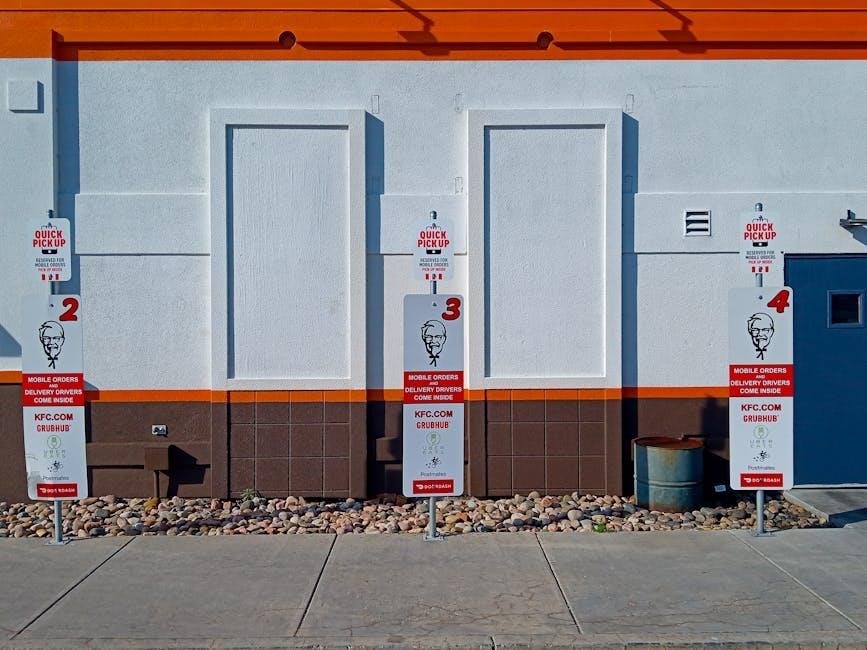
Fast food presents the biggest hurdles on Optavia, but isn’t entirely off-limits with careful planning. The key is minimizing high-calorie sauces, fried items, and oversized portions. Focus on grilled protein sources like chicken or fish, and opt for side salads without creamy dressings.
Bunless burgers, holding the cheese and mayo, can be a viable option. Be extremely cautious with seemingly innocent items like fries or onion rings – they quickly derail progress. Prioritize water over sugary drinks. Remember, fast food should be a rare exception, not a regular occurrence, and always aim for the least processed choices available to stay aligned with your health objectives.
Substitutions at Major Fast Food Chains
Navigating major chains requires strategic substitutions. At McDonald’s, a grilled chicken patty (no mayo) can replace a burger. Swap fries for a side salad with light vinaigrette. At Subway, choose lean turkey or chicken on a salad instead of bread, and skip the high-calorie sauces.
Taco Bell allows for modifications like “fresco style” to remove cheese and sour cream. Wendy’s offers grilled chicken wraps – request no sauce. Burger King’s grilled chicken sandwich, hold the bun and mayo, is another possibility. Always double-check ingredient lists and nutritional information online beforehand to make informed decisions and maintain program compliance.
Avoiding High-Calorie Sauces and Sides
Sauces and sides are often hidden calorie bombs. Optavia emphasizes lean protein and vegetables, so steer clear of creamy sauces, dressings, and sugary dips. Request sauces on the side to control portion sizes, or opt for lemon wedges, vinegar, or spices for flavor.
French fries, onion rings, and mashed potatoes are generally off-limits. Instead, choose side salads with light vinaigrette, steamed vegetables, or a small fruit cup. Be mindful of seemingly healthy options like honey mustard, as they can still be high in sugar and calories. Prioritize water or unsweetened tea over sugary beverages to minimize unnecessary intake.
Casual Dining Restaurants: Building a Compliant Meal
Navigating casual dining requires a strategic approach. Focus on selecting lean protein sources like grilled chicken, fish, or turkey. Request preparation methods that avoid added fats – grilling, baking, or steaming are ideal. Avoid fried options and breaded coatings.
Pair your protein with generous portions of non-starchy vegetables such as broccoli, spinach, or asparagus. Ask for vegetables steamed or grilled without butter or creamy sauces. Be cautious of hidden sugars in marinades and dressings; request them on the side. Prioritize water as your beverage and politely decline bread baskets or high-calorie appetizers.
Lean Protein Selection & Preparation Methods
Prioritizing lean protein is crucial for Optavia success at casual restaurants. Opt for grilled, baked, or steamed chicken breast, fish (salmon, tilapia, cod), or turkey. Avoid anything fried, breaded, or slathered in heavy sauces. Request that your protein be prepared without added oils or butter.
Be mindful of portion sizes; a 4-6 ounce serving is generally appropriate. Steer clear of processed meats like sausage or bacon. When ordering burgers, request a lean patty and skip the bun, opting instead for lettuce wraps or enjoying the patty with a side of vegetables. Careful protein choices form the foundation of a compliant meal.

Vegetable Focus: Maximizing Nutrient Intake
Vegetables should dominate your plate when dining out on Optavia. Choose non-starchy options like broccoli, spinach, asparagus, green beans, salad (with light vinaigrette), and cauliflower. Request extra vegetables as a side instead of calorie-dense options like potatoes or rice. Be cautious of hidden sugars and unhealthy fats in salad dressings and sauces; ask for them on the side.
Steamed or grilled vegetables are ideal. Avoid creamy vegetable casseroles or those prepared with butter or cheese. Filling up on nutrient-rich vegetables will help you feel satisfied and stay within your program guidelines, supporting weight loss and overall health.
Sit-Down Restaurants: Navigating Complex Menus
Sit-down restaurants often present the biggest challenge for Optavia followers due to extensive menus and larger portion sizes. Thoroughly review the menu online beforehand to identify potential compliant options. Don’t hesitate to request modifications – simple swaps can make a significant difference. Ask for protein to be grilled or baked instead of fried, and sauces served on the side.
Prioritize lean protein sources and pair them with generous servings of non-starchy vegetables. Consider sharing an entrée or ordering an appetizer as your main course to control portion sizes. Be mindful of hidden ingredients and communicate your dietary needs clearly to your server.
Requesting Modifications: Simple Swaps for Success
Mastering the art of modification is crucial when dining out on Optavia. Don’t be afraid to ask your server to customize your meal! Requesting grilled or baked protein instead of fried significantly reduces calorie intake. Swap out high-calorie sides like mashed potatoes or rice for extra vegetables – steamed broccoli, spinach, or a side salad are excellent choices.
Ask for sauces and dressings on the side to control the amount used. A simple request to hold the cheese or croutons can also make a big difference. Remember, most restaurants are accommodating and happy to adjust dishes to meet dietary needs. Clear communication is key to a successful and compliant meal.
Portion Control: Sharing Plates or Ordering Appetizers
Restaurant portions are notoriously large, often exceeding recommended serving sizes for Optavia. A proactive strategy is to share an entrée with a dining companion, effectively halving your calorie intake. Alternatively, consider ordering an appetizer as your main course – a salad with lean protein or a shrimp cocktail can be a satisfying and compliant option.
Before your meal arrives, ask the server to box up half of it immediately. This removes temptation and encourages mindful eating. Focusing on savoring smaller portions allows you to enjoy the dining experience without derailing your progress. Remember, consistent portion control is vital for sustained weight loss.

Specific Restaurant Guides (Popular Chains)
Navigating popular chain restaurants requires tailored strategies; understanding menu options and potential modifications is key to staying compliant with the Optavia program.
Olive Garden: Optavia-Friendly Options
Olive Garden presents both opportunities and obstacles for Optavia followers. The key lies in focusing on lean protein and non-starchy vegetables while skillfully avoiding calorie-dense sauces and carbohydrate-rich sides. Grilled chicken or shrimp scampi (requesting sauce on the side) are viable protein choices.
Prioritize the unlimited salad, but request no croutons and a light dressing application – oil and vinegar is best. Steamed broccoli or spinach are excellent vegetable additions. Be cautious of the breadsticks; they are a significant source of carbohydrates and should be avoided.
Portion control is crucial; consider sharing an entrée or taking half home. Always inquire about preparation methods to ensure minimal added oils or sugars. Remember, proactive communication with your server is essential for a successful and compliant meal at Olive Garden.
Chili’s: Making Smart Choices
Navigating Chili’s on Optavia requires strategic menu selection and mindful modifications. Focus on grilled or blackened protein options like chicken or fish, requesting preparation without added butter or sauces. Ask for steamed vegetables as a side, bypassing the rice, potatoes, or fries. Chili’s offers a Build Your Own Bowl option, allowing for a customized, compliant meal.
Be extremely cautious with sauces; many are sugar-laden and high in calories. Request dressings and sauces on the side to control portion sizes. The salad options can be adapted by choosing a light vinaigrette and omitting high-calorie toppings like cheese and fried wontons.
Consider sharing an appetizer or entrée to manage portion control effectively. Proactive communication with your server regarding dietary needs is vital for a successful dining experience at Chili’s.
Panera Bread: Navigating the Menu
Panera Bread presents both opportunities and obstacles for Optavia followers. Prioritize broth-based soups, like black bean or ten vegetable, being mindful of sodium content. Salads are viable, but require careful customization – choose grilled chicken, spring mix, and a light vinaigrette, avoiding creamy dressings, croutons, and sugary add-ins.
The “You Pick Two” option can be adapted by pairing a small salad with a cup of soup. Steer clear of Panera’s breads, pastries, and mac and cheese, as these are high in carbohydrates and calories. Focus on lean protein and non-starchy vegetables to align with Optavia’s guidelines.
Always check the nutritional information online before ordering to make informed decisions and stay within your daily fuel limits.

Troubleshooting Common Restaurant Scenarios
Unexpected situations arise when dining out; navigating social pressures, menu changes, and travel requires resilience and pre-planning to uphold Optavia principles.
Dealing with Social Pressure & Food Pushers
Navigating social dining situations can be tricky on Optavia. Expect well-meaning friends and family to offer tempting dishes or question your food choices. Prepare a polite but firm response, explaining you’re following a specific program for health reasons.
Don’t feel obligated to justify every bite or decision. A simple “Thank you, but I’m all set” often suffices. If someone persists, redirect the conversation. Remember, your health journey is personal.
Pre-planning helps; visualize potential scenarios and rehearse your responses. Focus on enjoying the social aspect, not just the food. Bring an Optavia Fueling if you anticipate limited options, and confidently enjoy it. Ultimately, prioritize your commitment to the program over pleasing others.
Handling Unexpected Menu Changes
Restaurant menus aren’t static; items can be unavailable or modified. Be prepared to adapt your plan on the fly. Flexibility is key to Optavia success when dining out. Don’t panic if your initial choice isn’t available – view it as an opportunity to practice problem-solving.
Quickly assess alternative options, focusing on lean proteins and non-starchy vegetables. Don’t hesitate to ask your server about ingredient substitutions or preparation methods. A grilled chicken salad can often replace a fried entrée.
Remember the core principles: prioritize protein, minimize carbs and unhealthy fats. If truly stuck, a simple side salad with protein or a small portion of grilled fish can suffice. Staying calm and resourceful will prevent derailment.
Staying on Track During Travel & Vacations
Travel and vacations present significant Optavia challenges, but aren’t insurmountable. Proactive planning is crucial. Pack a supply of your Fuelings to minimize reliance on unfamiliar restaurant options, especially during transit. Research restaurants at your destination beforehand, identifying potential compliant choices.
Don’t view vacations as “off-limits,” but rather as opportunities to practice mindful eating. Prioritize protein and vegetables whenever possible. Be prepared to modify orders and politely decline tempting, off-plan foods.
Allow yourself occasional, controlled indulgences, but return to strict adherence immediately afterward. Maintaining momentum requires discipline and a commitment to your goals, even amidst enjoyable distractions.
Beyond the Restaurant: Long-Term Sustainability
Successfully transitioning off Optavia requires building sustainable habits, incorporating balanced meals, and enjoying restaurant experiences without derailing progress or reverting to old patterns.
Transitioning to a Sustainable Lifestyle Post-Optavia
The key to lasting success lies in moving beyond the structured Optavia program and embracing a flexible, balanced approach to eating. Many users, after experiencing rapid weight loss, express a desire to avoid returning to previous habits. This involves gradually reintroducing whole foods, focusing on nutrient density, and learning to prepare healthy meals independently.
It’s crucial to acknowledge that Optavia’s reliance on processed fuelings isn’t a long-term solution. Individuals should prioritize real food and mindful eating. Consider incorporating elements learned during Optavia – like portion control and prioritizing lean protein – into a broader dietary framework. Don’t immediately jump back to unrestricted eating; a phased approach is best. Remember the initial motivation and continue prioritizing health and well-being.
Incorporating Restaurant Meals into a Balanced Diet
Maintaining weight loss doesn’t necessitate eliminating restaurant dining entirely; it requires strategic planning and informed choices. After Optavia, view restaurant meals as occasional treats, not regular occurrences. Prioritize establishments offering lean protein options and abundant vegetables, mirroring the program’s core principles.
Employ the skills honed during Optavia – menu research, modification requests, and portion control – to navigate complex menus. Don’t hesitate to ask for sauces on the side or substitute sides for healthier alternatives. Sharing an entrée or opting for an appetizer as a main course can help manage calorie intake. Remember, consistency is key; one mindful restaurant meal won’t derail progress, but frequent indulgence will.