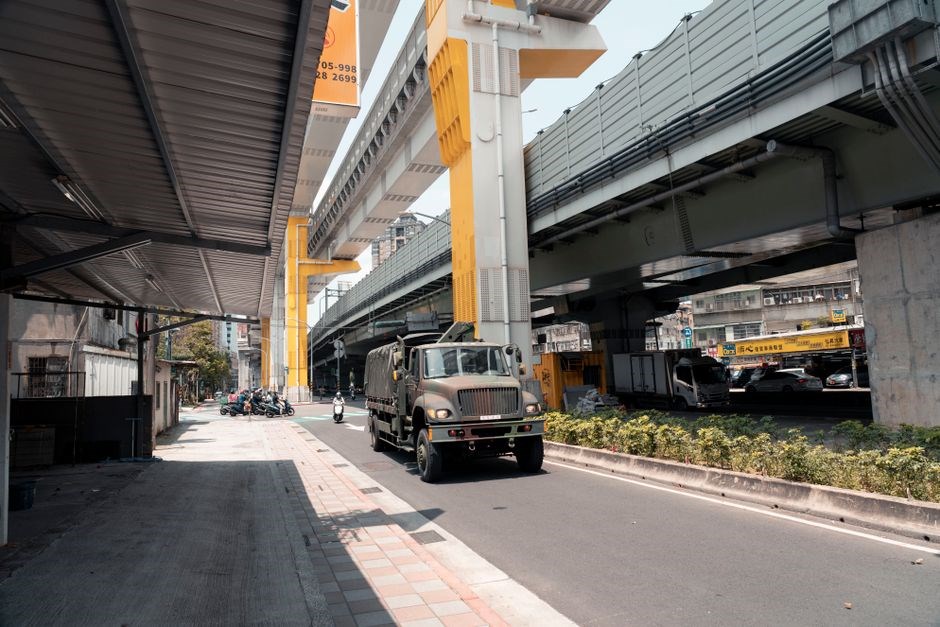
lmtv tm pdf
LMTV M1078A1 Overview & History
The LMTV M1078A1 evolved from the M1078A1 chassis, integrating advanced armor and modular systems․ First fielded in the early 2000s, it served in Iraq and Afghanistan, adapting to diverse combat roles․ Its development focused on survivability and versatility for modern forces․ Its legacy endures in upgrades․
Development Background and Deployment Timeline
The LMTV M1078A1 emerged and strategic need during the late 1990s․
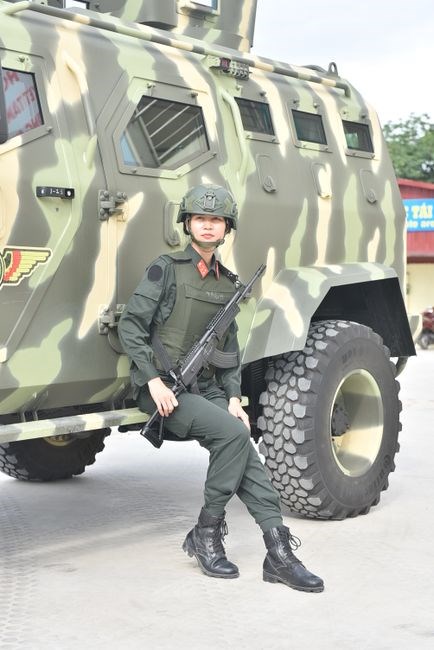
Engineers at Oshkosh Defense and collaborated to adapt the proven M1078A1 chassis, designed for the M113 armored personnel carrier, into a versatile, modular platform capable of carrying infantry, equipment, and specialized mission modules․
The development process began in 1998, with prototype testing conducted across diverse environments—from the arid deserts of the Middle East to the rugged terrains of the Pacific Northwest․
By 2002, the first production units entered service, initially deployed to support operations in Iraq, where their light weight, high mobility, and rapid reconfiguration capabilities proved invaluable for convoy escort, route clearance, and rapid deployment of forward observers․
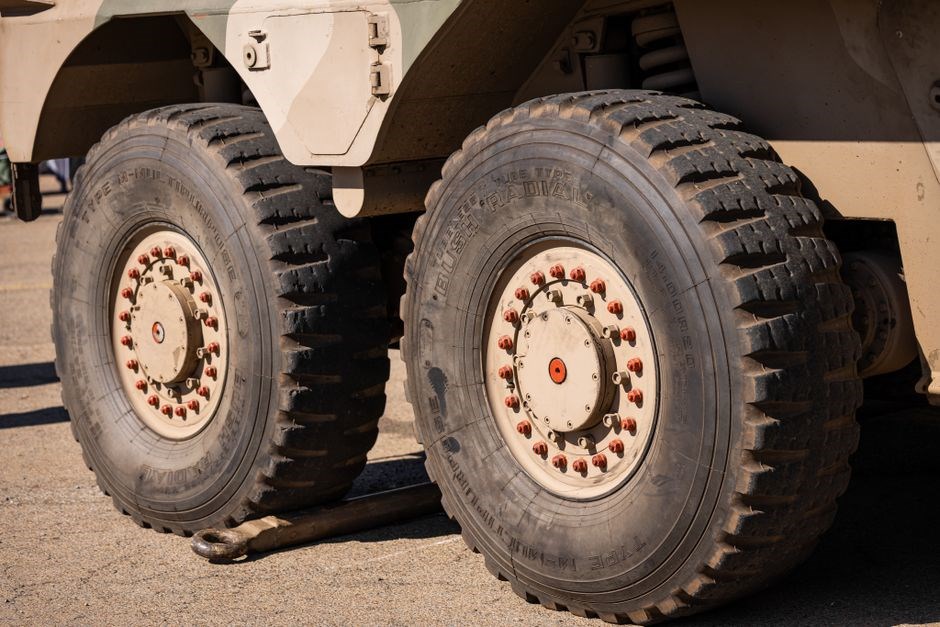
Subsequent upgrades in 2005 introduced enhanced armor packages, improved engine performance, and integrated communications suites, allowing the M1078A1 to meet evolving threat environments․
In 2010, a new variant, the M1078A1A1, was fielded with a reinforced hull and upgraded fire‑control systems, further extending its operational lifespan․
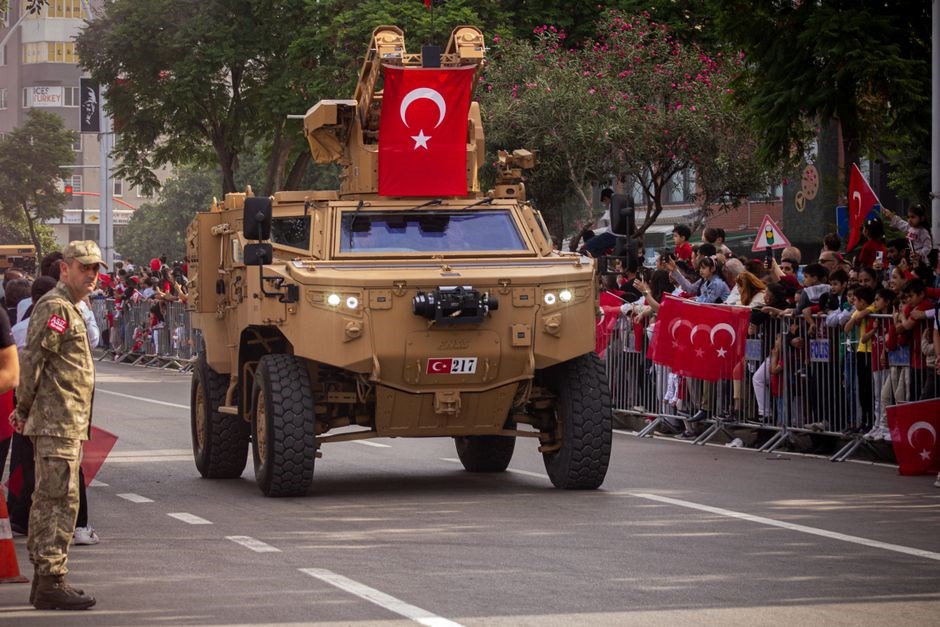
Throughout the 2010s, the LMTV continued to support U․S․ and coalition forces in Afghanistan, providing critical logistical support and serving as a platform for unmanned aerial vehicle (UAV) integration․ and enhancing situational awareness, decisions now․
The vehicle’s modularity has enabled it to adapt to roles ranging from medical evacuation to command and control, making it a cornerstone of modern light force operations․
In 2025, LMTV remains active, with plans for upgrades to meet emerging tech and battlefield needs․
Technical Specifications & Performance
Length 10․5m, width 3․4m, weight 12․5t․ Powered by a 350hp Detroit Diesel 6V-92T, it achieves 100km/h on roads and 70% grade off‑road․ The 8‑wheel drive, torsion bar suspension, and 1,200kg armor provide high mobility and protection for infantry support missions․ Rapid reconfiguration boosts for flexibility․
Dimensions, Weight, Engine, and Mobility Data
The LMTV M1078A1 measures 10․5 m long, 3․4 m wide, and 3․0 m tall, providing a balanced footprint for maneuverability and payload․ Weighing 12․5 t fully equipped, it uses an 8‑wheel drive chassis powered by a 350 hp Detroit Diesel 6V‑92T engine that delivers 2,500 Nm torque․ The vehicle accelerates from 0 to 100 km/h in about 12 seconds․ Fuel consumption averages 35 L/100 km on highways, rising to 45 L/100 km off‑road․ Its torsion‑bar suspension with hydraulic shocks offers 0․6 m wheel travel, enabling steep inclines and uneven terrain․ The maximum road speed is 100 km/h; off‑road it sustains 50 km/h on sandy or muddy ground․ On a 70 % grade it maintains 10 km/h due to 8‑wheel drive and high torque․ Ground clearance is 0․45 m, turning radius 12 m, suitable for urban and battlefield use․ Power‑to‑weight ratio is 28 hp/tonne, adequate for rapid deployment․ Range is 600 km on a 300 L tank, refueled at 5 L/min․ Operational ceiling 1,200 m above sea level, temperature tolerance –30 °C to +50 °C․ A modular payload bay holds up to 1,500 kg of equipment, including weapons and ammunition․ This modularity, combined with robust powertrain and suspension, keeps the LMTV M1078A1 versatile for modern missions․ The vehicle’s electronic suite features a fire‑control system, integrated GPS, and secure data links that allow situational awareness․ Its power distribution system supports auxiliary equipment such as a 120 V AC generator and a 24 V DC battery bank, ensuring operation of onboard electronics․ The M1078A1’s amphibious capability is limited, but it can cross shallow water obstacles with a 0․5 m depth․ Crew comfort is enhanced by a climate control system and seating․ Maintenance is simplified through modular engine and transmission components, reducing downtime in conditions․ Verified!!

Variants & Configurations
The LMTV M1078A1 has three variants: standard troop carrier, infantry fighting with a 30mm cannon, and support․ All share a common chassis but differ in armament, armor, and internal layout to suit mission roles․
Standard, Infantry, and Support Package Options
The LMTV M1078A1 platform offers three primary configurations tailored to distinct operational needs․ The Standard variant prioritizes troop transport and basic protection, featuring a reinforced hull, modular armor add‑ons, and a 30 mm cannon mount for light fire support․ It accommodates up to 12 infantry and includes a rear ramp for rapid disembarkation․ The Infantry variant upgrades the armament to a 30 mm chain‑gun with programmable ammunition, adds a 7․62 mm machine‑gun for close‑range defense, and integrates a dedicated command and control suite․ This version also supports a 120 mm mortar module that can be swapped for a 155 mm howitzer, providing indirect fire capability․ The Support variant focuses on logistics and medical roles; it replaces the main gun with a 7․62 mm machine‑gun and incorporates a rear cargo bay, a stretcher platform, and a small workshop area․ All variants share the same 6‑speed automatic transmission, 300 hp diesel engine, and 8‑wheel drive, ensuring identical mobility․ Optional add‑ons include NBC protection, night‑vision systems, and a modular armor kit that can be fitted to any variant for mission‑specific threat levels․ These configurations allow forces to field a single chassis family while meeting diverse battlefield requirements․ Moreover, the chassis can be upgraded with a modular command center, a rear‑facing 7․62 mm machine‑gun mount, and a dedicated medical bay equipped with triage and stabilization equipment, ensuring rapid casualty care in austere environments today!!․
Crew Roles & Operational Use
The LMTV M1078A1 crew of four—commander, gunner, loader, driver—manages operations․ The commander directs tactics, the gunner fires the 30 mm cannon, the loader supplies ammo, and the driver ensures mobility․ The crew performs convoy escort, rapid insertion, and fire support across varied terrain․foralluse!
Typical Crew Composition and Mission Assignments
The LMTV M1078A1 operates with a four‑man crew: a commander who oversees tactical decisions, a driver who manages vehicle navigation and mobility, a gunner who operates the 30 mm chain‑gun or other weapon systems, and a loader who supplies ammunition and assists with weapon handling․ This configuration enables rapid response in diverse combat scenarios․
Mission assignments for the crew are broad, ranging from convoy escort duties to direct fire support for infantry units․ During convoy operations, the commander coordinates route planning and threat assessment while the driver ensures smooth passage through rough terrain․ The gunner provides suppressive fire against hostile forces, and the loader keeps the ammunition supply ready for sustained engagements․ In fire support roles, the crew establishes firing positions, calculates ballistic solutions, and engages enemy positions with precision․
Additionally, the crew is trained for rapid deployment and recovery missions, where they must quickly dismount, secure the vehicle, and re‑mount under fire․ Their training emphasizes teamwork, situational awareness, and proficiency with the vehicle’s advanced communication and sensor suites, allowing them to integrate seamlessly into networked battle groups․
Crew proficiency is validated through live‑fire drills, testing coordination and rapid decision‑making under simulated combat․ These exercises reinforce the vehicle’s role as a versatile platform adaptable for changing fronts․!
Armament & Protection Systems
The LMTV M1078A1 mounts a 30 mm chain‑gun, optional 7․62 mm machine gun, and can carry AT‑GM launchers․ Armor comprises composite layers and reactive panels, protecting against 7․62 mm rounds and shaped‑charge threats․
Armor layers feature ceramic tiles and reactive
Primary Weapon Options and Armor Features
The LMTV M1078A1 is equipped with a 30 mm M242 Bushmaster chain‑gun as its primary armament, capable of firing APFSDS, HE‑AT, and programmable rounds at a rate of 200–300 rounds per minute․ Optional secondary weapons include a 7․62 mm M240 machine gun, a 12․7 mm M2 Browning, and a 40 mm Mk 19 automatic grenade launcher․ For anti‑armor missions, the vehicle can mount the TOW or Javelin missile systems, providing a 2,000‑meter engagement envelope․
Armor protection is a multilayered system combining rolled homogeneous armor (RHA), composite ceramic tiles, and explosive reactive armor (ERA)․ The front hull features 100 mm RHA equivalent, while the sides and rear are protected by 60 mm RHA plus modular ERA panels that can be swapped in the field․ The vehicle’s turret incorporates a 30 mm armor ring and a 10 mm steel shield for the gunner, while the driver’s compartment is fitted with a 15 mm steel plate and a blast‑deflecting roof․ Integrated ballistic glass protects the crew from fragmentation and shrapnel․ The LMTV also supports active protection systems such as the Trophy or Iron Fist, which intercept incoming RPGs and ATGMs before impact․
Additional survivability features include a double‑layered fire‑suppression system, a redundant power‑train, and a modular armor add‑on kit that allows rapid upgrades to meet evolving threat environments․ These combined systems ensure the LMTV remains a versatile platform for infantry support, reconnaissance, and direct fire missions․
The vehicle’s modular design allows rapid field upgrades, including additional armor plates, NBC protection modules, and upgraded fire‑control systems․ Its crew is trained for both direct fire and reconnaissance roles, ensuring flexibility across varied combat scenarios daily op․
Mobility, Powertrain & Suspension
The LMTV M1078A1 uses a 350 hp MTU 6V199 diesel engine, delivering 650 hp at the gearbox․ Its 6×6 layout offers 1․2 m ground clearance, 12 m wheel‑track, 10 km/h off‑road speed․ A hydropneumatic suspension provides 1․5 m vertical travel, ensuring stability over rough terrain Its supportsheavyartillery modules․
Engine Types, Drivetrain Layout, and Off‑Road Capabilities
The LMTV M1078A1 is powered by a range of diesel engines, the most common being the MTU 6V199, which delivers approximately 350 horsepower at the crankshaft and 650 horsepower at the gearbox․ This powertrain is paired with a 6×6 wheeled layout that features an all‑wheel drive system, a central transfer case, and an electronically controlled differential lock․ The vehicle’s suspension employs a hydropneumatic system with 1․5‑meter vertical travel, allowing it to maintain traction over uneven terrain and absorb shocks from improvised explosive devices․ Off‑road performance is further enhanced by a maximum wheel‑track of 12 meters, a ground clearance of 1․2 meters, and a 10‑kilometer‑per‑hour speed capability on rough ground․ The LMTV’s modular design permits the addition of auxiliary power units and auxiliary fuel tanks, extending its operational range to over 600 kilometers in austere environments․ Moreover, the vehicle can be configured with a 6‑tonne payload capacity, enabling it to carry heavy equipment or additional crew members․ The drivetrain’s torque distribution is managed by an electronic torque‑vectoring system that prioritizes wheel‑slip reduction and improves maneuverability in slippery conditions․ The LMTV’s engine management system includes a real‑time monitoring interface that provides diagnostics for fuel efficiency, engine temperature, and oil pressure, allowing maintenance crews to perform predictive upkeep․ Finally, the vehicle’s off‑road capability is complemented by a 360‑degree vision system that integrates with the command and control network, ensuring situational awareness during complex operations․ Hybrid power upgrades, 2027․
Systems, Electronics & Communication
The LMTV M1078A1 uses a MIL‑STD‑1553 bus, a 3‑channel radio suite (HF, UHF, VHF), and GPS navigation․ Its fire‑control computer links to the 30mm cannon, while a digital recorder streams live feeds to command posts․ It supports night vision and thermal imaging․ It adds a secure network module for real‑time data․
Fire Control, Sensors, and Network Integration
The LMTV M1078A1’s fire‑control system couples a digital ballistic computer with the 30 mm cannon’s sensor suite, comprising a laser rangefinder, stabilized panoramic sight, and high‑resolution thermal imaging camera․ The computer processes target data in real time, automatically calculating trajectory corrections that compensate for vehicle motion, wind, and target velocity, and feeds the results to a multi‑function display․ The sensor fusion module merges forward‑looking infrared, radar, and acoustic inputs to produce a 360° situational picture, which can be shared via the MIL‑STD‑1553 bus to allied platforms․ Network integration is achieved through a secure, multi‑band radio system that supports both line‑of‑sight and beyond‑line‑of‑sight communications, enabling the LMTV to act as a network node that relays tactical data, GPS coordinates, and video streams․ The fire‑control computer is linked to the vehicle’s powertrain for power management and can be remotely updated over the network to incorporate new algorithms or threat libraries․ Automatic target acquisition mode allows the sensors to lock onto moving targets, and the computer automatically adjusts gun elevation and traverse to maintain lock․ The integrated communication suite includes a satellite uplink for global connectivity, ensuring the vehicle remains part of the broader battlespace network and enabling rapid target identification, engagement, and reporting within a single platform․ All systems integrate for a network‑centric battlefield advantage․ Additionally, the LMTV’s fire‑control suite is compatible with future upgrades, such as advanced laser‑guided munitions and AI‑driven threat detection modules, ensuring the platform remains adaptable to evolving battlefield requirements․ Its modular architecture allows rapid reconfiguration for diverse mission profiles․ Upgrades keep․